
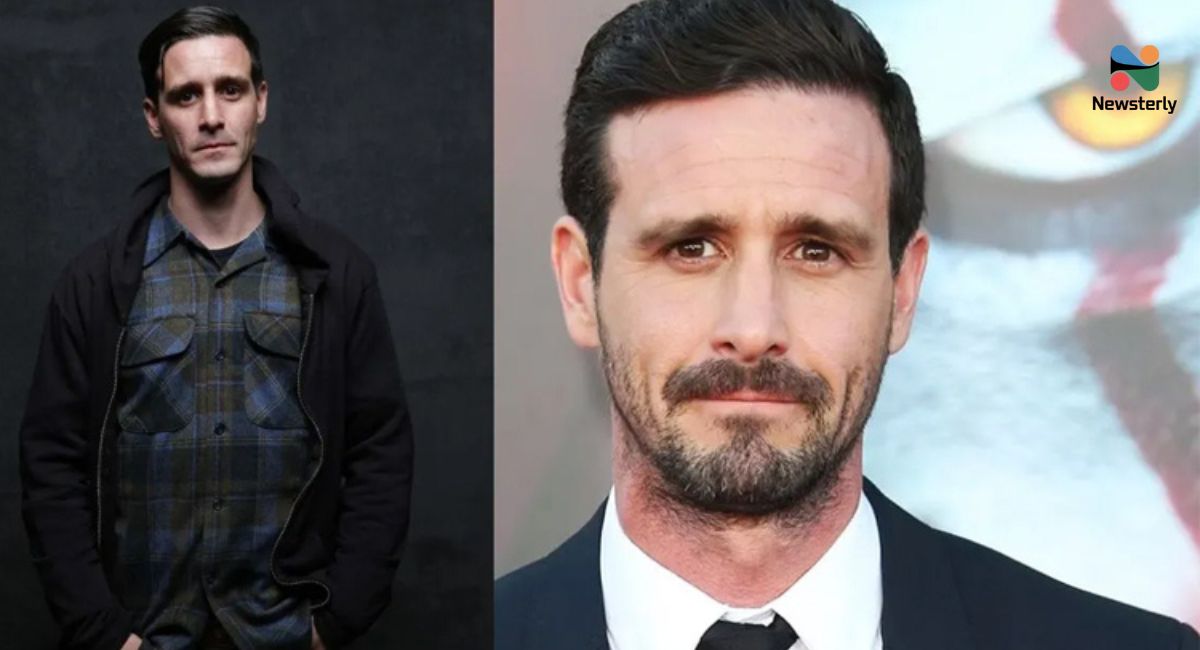

James Ransone isn’t the kind of actor you forget. Once he appears on screen, his presence sticks with you. There’s something unpolished yet magnetic about the way James Ransone performs. He doesn’t chase likability. Instead, he leans into realism, flaws, and emotional discomfort—and that’s exactly why audiences respect him.
In an industry obsessed with perfection, James Ransone built his career by embracing imperfection. From gritty television dramas to intense films, his work consistently feels honest. This article explores James Ransone’s life, career, acting style, and why his performances still resonate so deeply.
James Ransone’s Early Life and Background
James Ransone was born on June 2, 1979, in Baltimore, Maryland. Growing up in a working-class city shaped his worldview early. Baltimore’s raw environment exposed him to real people, real struggles, and real emotion. That exposure later became a defining part of James Ransone’s acting style.
Unlike many actors, James Ransone didn’t follow a traditional Hollywood path. He wasn’t molded in elite acting academies. Instead, he learned by observing life closely. This grounded perspective gave him an edge when portraying troubled or conflicted characters.
Before acting took center stage, James Ransone explored music and creative expression. These early artistic outlets helped him understand rhythm, emotion, and vulnerability. Those same qualities later translated seamlessly onto the screen.
James Ransone’s Breakthrough in Acting
James Ransone’s early acting career focused on independent films and smaller roles. These projects didn’t offer instant fame, but they allowed him to refine his craft. Casting directors quickly noticed his ability to bring depth to even the smallest scenes.
His breakthrough moment arrived when he landed roles that demanded emotional complexity rather than surface-level performance. James Ransone proved he could make audiences uncomfortable while keeping them fully engaged. That balance became his signature.
Instead of chasing mainstream stardom, James Ransone focused on meaningful projects. This decision helped him earn credibility within the industry. Directors began trusting him with characters others couldn’t pull off convincingly.
James Ransone in Television: Career-Defining Roles

Television played a critical role in shaping James Ransone’s reputation. His performance as Ziggy Sobotka in The Wire remains one of his most discussed roles. Ziggy was impulsive, insecure, and tragic—and James Ransone portrayed him with painful authenticity.
What made James Ransone stand out was his emotional transparency. He didn’t try to soften Ziggy’s flaws. Instead, he leaned into them. This fearless portrayal made the character unforgettable and deeply human.
After The Wire, James Ransone continued selecting television roles that challenged him. He appeared in series that valued character development over spectacle. Each role reinforced his image as an actor willing to take emotional risks.
James Ransone’s Film Career: Indie Grit Meets Mainstream Success
James Ransone’s film career reflects his commitment to authenticity. He built a strong foundation in independent cinema, where character-driven stories dominate. These films allowed James Ransone to explore themes like addiction, identity, and personal failure.
Indie audiences quickly recognized his talent. Critics praised his ability to elevate scripts with subtle gestures and emotional restraint. James Ransone didn’t need dramatic monologues to leave an impact.
Later, mainstream audiences discovered James through larger productions such as It Chapter Two. Even within an ensemble cast, he stood out. His performance added emotional warmth and realism, proving he could transition smoothly between indie and studio films.
James Ransone’s Unique Acting Style
James acting style feels deeply personal. He doesn’t perform characters—he inhabits them. Every movement feels intentional yet natural. That realism makes his performances believable.
One defining trait of James work is restraint. He understands the power of silence. A pause or glance often says more than dialogue. This subtlety separates him from more theatrical performers.
Jamesalso embraces discomfort. He allows characters to appear awkward, broken, or emotionally exposed. This honesty creates a strong connection with viewers. You don’t just watch James —you experience his characters.
Personal Struggles and Artistic Influence
James has openly discussed personal challenges throughout his life. Rather than hiding these experiences, he channels them into his work. That openness adds emotional weight to his performances.
His willingness to portray pain comes from lived experience. James understands vulnerability firsthand. This understanding allows him to portray damaged characters without judgment or exaggeration.
These struggles also influence his role choices. James gravitates toward stories that explore consequence, redemption, and emotional survival. His work often feels therapeutic—not just for him, but for the audience as well.
Collaborations That Shaped James Ransone’s Career
James has worked with respected directors who value realism over spectacle. These collaborations helped sharpen his instincts and deepen his performances.
Directors trust James because of his commitment. He prepares intensely and fully commits to each role. That reliability makes him a favorite in both indie and television circles.
These partnerships also allowed James to experiment creatively. Instead of repeating the same character type, he explored different emotional landscapes. This versatility strengthened his long-term career.
James Ransone’s Influence on Modern Character Actors
James represents a new generation of character actors. He proves that supporting roles can leave lasting impressions. Sometimes, his performances overshadow leading characters.
By rejecting Hollywood polish, James challenges traditional standards of success. He shows that authenticity builds longevity. Younger actors often view him as proof that staying true to yourself pays off.
His influence extends beyond performances. James career choices encourage actors to prioritize craft over fame. That mindset continues to inspire emerging talent.
Recent Work and Future Projects
In recent years, James has remained selective with his roles. He avoids overexposure and focuses on projects with emotional depth. This approach keeps his work fresh and impactful.
His recent performances continue exploring psychological complexity. James shows no interest in repeating himself. Each new role adds another layer to his evolving career.
Looking ahead, audiences can expect James to keep pushing boundaries. His future projects promise the same honesty and intensity fans admire.
Why James Ransone Still Matters Today
James matters because he represents authenticity in a polished industry. His performances remind audiences why storytelling matters. They feel real, uncomfortable, and human.
In an era dominated by spectacle, James brings emotional grounding. He anchors stories in truth. That quality makes his work timeless.
As Hollywood continues to evolve, actors like James remain essential. He proves that raw talent, emotional honesty, and creative courage never lose value.
Final Thoughts on James Ransone
James didn’t become memorable by playing it safe. He chose risk, vulnerability, and truth. That choice shaped a career defined by depth rather than hype.
If you’ve ever watched a performance and felt unsettled in a meaningful way, there’s a good chance James was involved. His work doesn’t fade after the credits roll—and that’s the mark of a truly powerful actor.
FAQS
Who is James Ransone in The Wire?
James played Ziggy Sobotka, a troubled dockworker whose impulsive actions led to one of the show’s most tragic storylines.
What happened to James Ransone?
James is active in acting and continues choosing selective film and TV roles focused on deep, character-driven storytelling.
Who was James Ransone in It Chapter Two?
James Ransone portrayed Eddie Kaspbrak as an adult, bringing humor, anxiety, and emotional depth to the character.
Who was James in The Black Phone?
James played Max, the volatile and drug-addicted brother of the film’s main villain, The Grabber.
How did The Grabber’s brother figure it out?
Max realized the truth by noticing suspicious behavior, overhearing key details, and connecting clues that pointed to his brother’s crimes.
You May Also Read
What Time Is the Jake Paul Fight

