
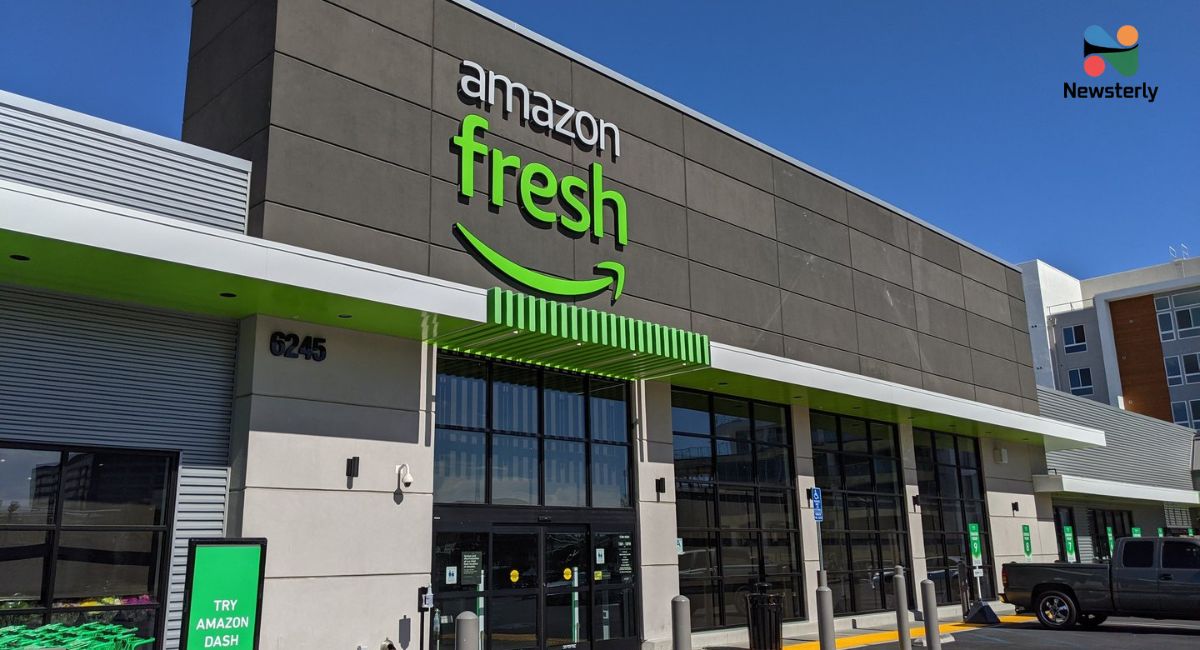

Why the Grocery Chain Is Closing Stores
Shoppers across the region feel the pressure as Amazon Fresh store closures Southern California reshape how people shop for affordable groceries. You see the signs outside each building and you can sense something bigger is happening behind those locked automatic doors. Amazon revealed that several locations will close because the company is adjusting its grocery model, cutting losses, and shifting toward a more data-driven digital focus. The move is part of a wider trend linked to Amazon retail restructuring, rising labor costs, and new efforts to prioritize Amazon same-day grocery delivery expansion across busy U.S. cities. These decisions aren’t random. They come after months of internal evaluation, where Amazon assessing underperforming locations became a major priority.
A spokesperson confirmed that Amazon Fresh not consistently successful in certain markets including La Habra, Mission Viejo, Whittier, and La Verne. The company admitted that Amazon Fresh closures represent a bigger change in overall strategy. The company is shifting away from large physical stores and leaning into a digital-first grocery ecosystem supported by Whole Foods. In fact, the latest statement from the company referenced operational changes similar to the Amazon Fresh U.K. closures and conversions, suggesting a global strategy shift. The company noted in the Amazon spokesperson Griffin Buch statement that some stores simply didn’t perform at the level needed for long-term growth.
Full List of Store Locations Shutting Down
Southern California shoppers have watched multiple announcements roll out at the same time, each naming another store that will close soon. The affected sites include the La Habra Amazon Fresh closing, the Mission Viejo Amazon Fresh closure, the Whittier Amazon Fresh shutting down, and the uncertain La Verne Amazon Fresh store status which later became part of confirmed closures. These stores sit inside busy communities where people rely on fast checkouts and consistent stock levels. With Amazon Fresh locations ceasing operations, they’ll leave thousands of shoppers looking for new options.
Here is a table summarizing the closures:
| City | Store Status | Notes |
|---|---|---|
| La Habra | Closing | Part of Amazon confirmed store closures |
| Mission Viejo | Closing | Linked to California Amazon Fresh market shifts |
| Whittier | Closing | Reported after internal evaluations |
| La Verne | Closing | Confirmed as closures happening in the coming weeks |
These shutdowns also connect with moves outside California, including the Amazon Fresh Plainview New York closure, creating a pattern of store closures follow prior shutdowns.
Final Closing Dates Shoppers Need to Know
The countdown is tight and people only have a few days left before final closures begin. Many stores shared notices telling customers that doors will lock for good as early as next week. You can feel the urgency building as Southern California residents try to use their rewards, redeem credits, and finish last-minute shopping. Amazon mentioned that some workers will see impacted employees reassigned to other Amazon retail units or to Whole Foods, which reflects ongoing Amazon Whole Foods integration efforts across the U.S.
Once doors shut, shoppers won’t access in-store returns or exchanges, so they’ll need to switch to online options immediately. You’ll also see Amazon directing customers toward its expanding delivery services, part of the company’s plan for same-day perishable food delivery expansion designed to replace physical store traffic with faster at-home fulfillment.
Impact of These Closures on Local Communities
Every closure brings emotional and practical consequences. People in Southern California worry about losing convenient access to affordable food, especially in high-traffic zones where grocery alternatives sit several miles apart. The removal of these Southern California grocery stores shifts the daily routine of countless families who relied on Amazon’s pricing, weekly promotions, and easy returns. Families who once moved quickly through checkout lines now need to adjust their schedules.
These shutdowns also influence employment. Some workers join different Amazon teams thanks to Amazon integrating Whole Foods employees, while others wait for reassignment within the larger U.S. Amazon Fresh operations network. Neighborhoods that counted on Amazon to anchor their shopping centers must now handle empty storefronts until new tenants appear. Each community watches carefully because these closures signal larger retail shifts tied to technology and automation.
What Shoppers Should Do Before the Stores Close
Shoppers can prepare by using all remaining gift cards, rewards, and Amazon Fresh promotional credits before the closure dates hit. Many stores introduced limited-time discounts to help clear inventory. These sales tend to go quickly because customers rush inside hoping to grab remaining produce, packaged foods, or household items before shelves empty. It feels like a race against time, especially when people know a location is disappearing for good.
Customers also need to switch their grocery routines to alternative pickup and delivery methods. Amazon encourages shoppers to rely more on Amazon expanding grocery delivery, which works well with the company’s push toward digital efficiency. If you have returns, now’s the moment to complete them because some stores won’t process in-person returns once the final day arrives. Planning ahead helps you avoid last-minute stress once those sliding doors shut forever.
Past Store Closures in the Same State
California already saw multiple Amazon Fresh shutdowns during earlier phases of restructuring, and those events created a blueprint for the closures happening today. The company’s previous moves showed a pattern where stores with lower foot traffic or higher operational costs were often the first to go. These earlier shutdowns mirror the decisions happening now because Amazon grocery downsizing continues as part of a wider Amazon grocery business strategy.
Examining the timeline reveals a consistent theme. The company evaluates performance, makes selective adjustments, and then shifts resources toward stronger-performing markets. This strategy echoed earlier patterns from other states as well, forming a timeline that demonstrates how the company aims to stabilize the Amazon Fresh footprint across states. California now witnesses the newest chapter in this evolving retail story.
How These Shutdowns Reflect Amazon Fresh’s Strategy
Amazon’s grocery ambitions initially captured excitement with cashierless checkout, digital integration, and a huge online-offline shopping network. Yet the company realized physical stores didn’t always deliver the profits it expected. These closures highlight Amazon’s evolving grocery strategy, shifting away from large stores and leaning toward delivery, data analytics, and Whole Foods integration. Amazon believes these moves will bring more focus and fewer complications as it reorganizes the Amazon grocery ecosystem alignment.
Analysts believe the company wants to optimize how shoppers interact with the brand. The closure pattern shows how Amazon chooses strong regions for future growth while pulling out of weaker markets. This creates a balance between physical stores and a stronger digital chain supported by Amazon investing in grocery business improvements. The company expects these steps to support long-term gains through refinement, not expansion for expansion’s sake.
Retail Industry Trends Behind the Sudden Closures
Broader market conditions influenced these choices. Rising inflation forced retailers to rethink pricing structures while labor shortages increased pressure on large grocery formats. Competitors like Costco, Walmart, Aldi, and Trader Joe’s expanded aggressively, creating tough conditions for Amazon to maintain a consistent share. These trends shaped Amazon supermarket performance, driving the company toward smaller footprints and faster fulfillment models.
Another growing influence is the shift toward hybrid grocery shopping in the USA. More customers want at-home delivery or quick pickup rather than browsing aisles. This reflects the broader evolution linked to Amazon Fresh 2025 updates, which aim to transform grocery services into a more flexible and tech-heavy experience. As online shopping becomes increasingly dominant, Amazon feels confident about investing in these digital-first systems while closing physical stores that don’t match new consumer expectations.
Shopper Reactions and Social Media Response
Every closure sparks conversation online. Southern California residents share their thoughts on TikTok, Instagram, and Facebook, often feeling frustrated or disappointed. Many describe the closures as sudden and overwhelming, especially when they were unaware that Amazon Fresh shutting down locations was part of a larger strategy. Some shoppers express sympathy for workers affected by the changes while others share memories from their favorite aisles or store openings.
Viral clips show people walking through half-empty stores during the final days, capturing the last moments before closures kick in. Many users highlight the difference in selection and service compared to other stores, questioning whether these problems signaled the coming shutdowns. The social media response also reveals how strongly people in Southern California rely on accessible grocery options, making the community reaction even more emotional.
Best Alternative Grocery Options Nearby
Shoppers searching for new stores will find plenty of nearby choices. In many locations, Whole Foods, Vons, Ralphs, Aldi, and Trader Joe’s offer alternatives that match or beat Amazon’s pricing. Each region features its own mix of specialty markets and discount outlets which serve families well. These shifts present new opportunities for smaller brands that want to enter spaces once occupied by Amazon Fresh.
People also explore new delivery services such as Instacart, Walmart Delivery, and Amazon’s remaining grocery delivery network. These digital options work especially well for those who enjoyed same-day service at Amazon Fresh. With Amazon grocery expansion efforts continuing in the delivery sector, customers may discover even faster turnaround times than before.
Current Deals, Discounts, and Clearance Sales
Amazon Fresh locations often feature steep markdowns during final weeks. Items sell out quickly because customers know the offers won’t return once the building closes. Some locations release storewide discounts on pantry essentials, cleaning supplies, and frozen goods, encouraging shoppers to buy in bulk. These clearance events help Amazon empty inventory and prepare the property for shutdown.
Several stores also offer closing-day markdowns tied to broader Amazon promotions, reflecting the company’s desire to shift customers toward online grocery ordering. This move supports the push for Amazon Fresh growth vs store reduction, building a digital network that remains profitable long after physical locations close.
Government and Corporate Statements on the Closures
Local officials acknowledge the economic impact these shutdowns will cause. City leaders from affected regions like La Habra and Mission Viejo express concerns about job losses and neighborhood disruptions. Some business development groups state that Amazon must work with communities to fill the gaps left by departing stores. These comments highlight how deeply the closures affect daily life for many Californians.
Meanwhile, Amazon executives insist that the move is essential for long-term stability and performance improvement. Their official statements stress that Amazon investing in grocery business continues but in a more targeted way. The company claims that optimizing physical stores will help strengthen the broader retail network built across the United States. These decisions reflect a careful balancing act between innovation, profitability, and practicality.
What These Closures Mean for the Future of Retail
Retail experts believe these closures point toward a new chapter in American grocery shopping. Every shuttered storefront represents a shift toward automation, data-driven stock planning, and expanded digital delivery networks. Amazon expects the changes to produce faster growth in mobile ordering and subscription-based grocery services rather than giant physical stores. These decisions hint at how Amazon Fresh new store openings may follow a more selective and strategic pattern.
This transition also affects traditional grocers who must adapt or fall behind. With the retail world moving quickly toward tech-supported shopping, companies across the industry feel pressure to update their systems. Amazon’s path demonstrates a future where physical stores exist alongside strong digital platforms designed to maximize convenience.
Stay Updated With the Latest Store Closure Alerts
Shoppers can stay informed through official Amazon announcements, newsletters, and retail industry reports. As Amazon adjusts its strategy, more operational changes could appear in 2025 leading to broader updates in California and beyond. Those interested in national changes should track adjustments to the Amazon Fresh store count in California as well as developments across the Amazon Fresh footprint across states.
Retail watchers expect continuous updates as Amazon evaluates each region. The best way to stay ahead is to follow industry analysts, local news, and corporate announcements because these sources reveal how Amazon’s decisions shape daily grocery shopping in the United States.
Conclusion
The Amazon Fresh store closures Southern California represent one of the biggest shifts in the state’s grocery landscape in years. With closures happening in the coming weeks, shoppers have little time to adjust, restock, and plan new grocery routines. These moves reflect broader goals tied to Amazon’s evolving grocery strategy which focuses on delivery, online shopping, and optimized physical footprints. Whether you live in La Habra, Whittier, Mission Viejo, or La Verne, these changes impact your shopping habits, your community, and your access to everyday essentials. The grocery industry continues to evolve fast and Amazon’s decisions will surely influence how Americans shop for food in 2025 and beyond.
FAQs
Why is Amazon closing Amazon Fresh?
Amazon is closing Amazon Fresh stores because the company is assessing underperforming locations and shifting its focus to profitable grocery strategies and expanding online delivery.
Is Amazon closing warehouses in California?
Amazon is not shutting down warehouses statewide, but it has closed or paused some facilities that no longer fit its retail optimization decisions.
Why are Amazon shops closing?
Some Amazon shops are closing because Amazon Fresh not consistently successful in every region and the company is restructuring its retail network.
Who owns Amazon Fresh stores?
Amazon Fresh stores are fully owned and operated by Amazon, which manages both physical supermarkets and online grocery services.
Who owns 90% of Amazon?
No single person owns 90% of Amazon; however, Jeff Bezos remains the largest individual shareholder with a major stake in the company.
You May Also Read
Selena Gomez Engaged to Benny Blanco

